Does the UK have a blind spot on UFO sightings?
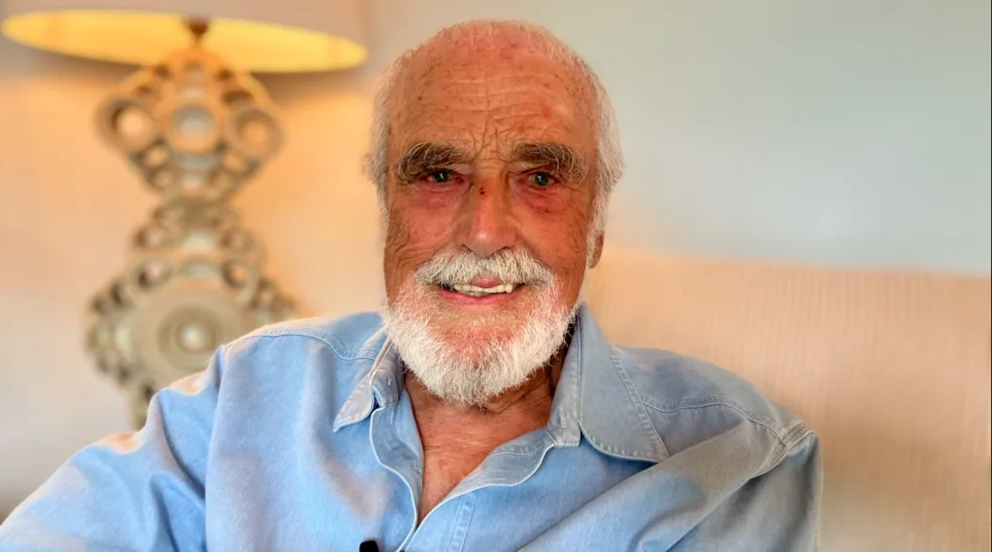
After more than four decades in the cockpit, retired pilot Chris Crowther has seen just about everything the skies can offer.
Over a 42-year career, he logged an extraordinary 22,000 flying hours on routes around the globe.
But one incident has puzzled with him for nearly half a century.
It happened in 1978, as Crowther, who lives near Wroxham, Norfolk, was piloting a light aircraft on approach to Norwich Airport.
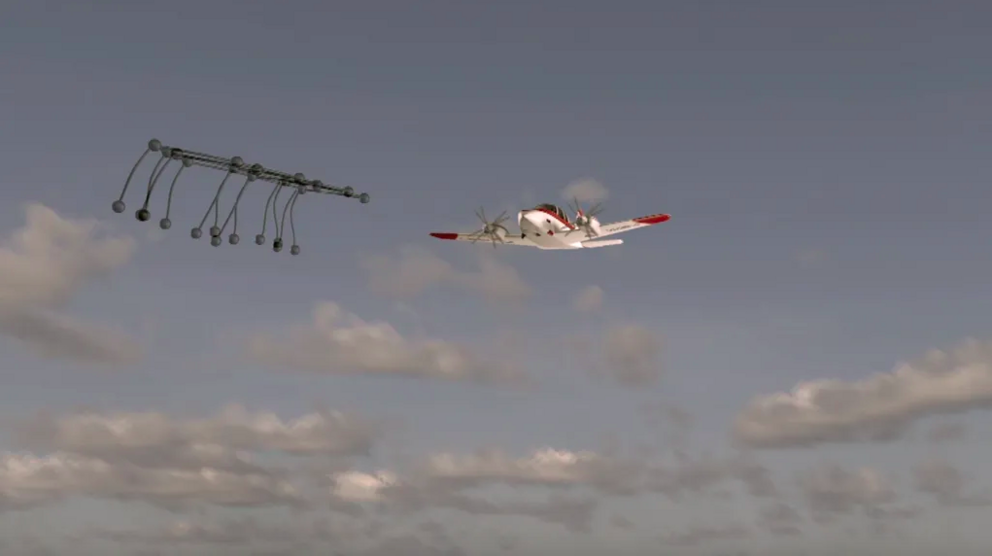 A computer-generated image created by the BBC depicts the object Crowther says he saw. Ben Debuse/BBC
In a split second, he says, something crossed his path – something he still cannot explain.
Decades later, the memory remains as vivid as ever, raising a question that continues to intrigue aviation professionals and the public alike: what exactly are we seeing in our skies?
"We were coming across The Wash at 7,500ft (2,300m) when Eastern Radar [a joint civilian/military air traffic control centre that existed until 1988] called up and said, 'We've got unidentified traffic, opposite direction, fast moving... height unknown,'" Crowther recalls.
"We looked up and in that split second, something went past our starboard wing tip, so fast it was very hard to define, but I still have the image in my mind of what looked like a dozen dark objects, perhaps the size of a football... something like that, that went winging right past our wing tip... and then they were gone."
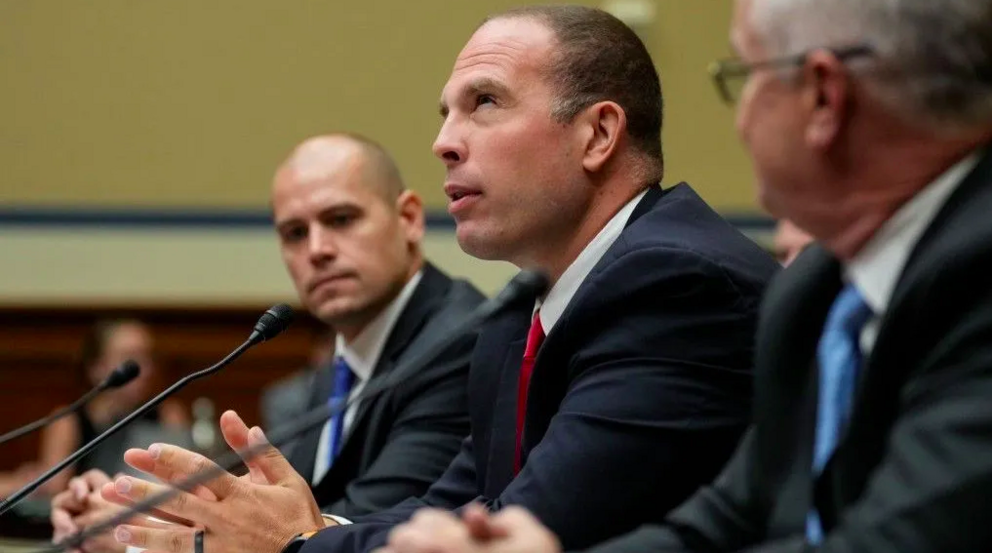 In the United States, witnesses have testified about claimed UFO encounters and even discussed alleged secretive government programmes. Getty Images
Crowther did not report this sighting, but his account is far from unique. In recent years, sightings of claimed unidentified flying objects (UFOs) – now more commonly referred to as unidentified anomalous phenomena (UAPs) – have shifted from the fringes of public curiosity into mainstream discussion.
Nowhere has this shift been more pronounced than in the United States, where the government has released a tranche of declassified documents and military pilots, intelligence officials, and whistleblowers have come forward under oath to share their experiences.
 In his latest film Disclosure Day, Steven Spielberg returns to the subject of UFOsReuters.
Their testimony has described encounters with objects capable of manoeuvres far beyond known human technology, alongside claims of secretive crash retrieval programmes.
While scepticism remains, the growing official acknowledgement has helped fuel global debate and renewed interest in the phenomenon.
Film director Steven Spielberg has returned to the subject, which he first explored in 1977's Close Encounters of the Third Kind, with his new movie Disclosure Day.
It imagines a world on the brink of the revelation of proof that non-human intelligence exists and has been hidden in plain sight.
Unlike the US, the UK currently lacks a formal, centralised system for recording or investigating UFO sightings.
The Ministry of Defence (MoD) once operated a dedicated UFO desk, assessing reports for potential threats to national security.
However, it was shut down in 2009, largely due to defence budget cuts.
Since then, there has been no official mechanism for the public – or even trained observers, such as pilots – to report unusual sightings.
For some, that represents a worrying blind spot.
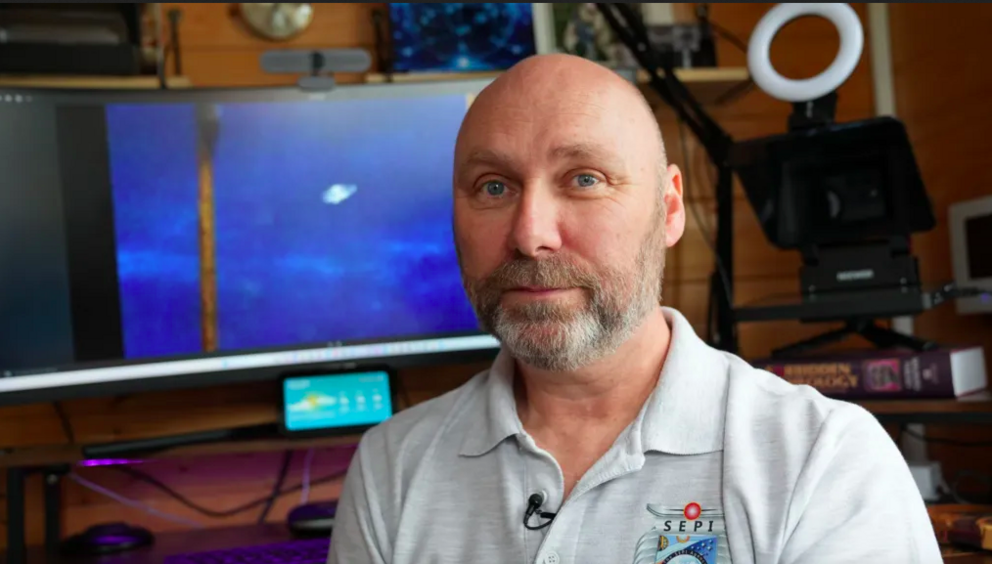 David Jon, a former National Crime Agency officer, wants the UK government to establish an independent, accountable body to investigate UAPs and report to Parliament. John Fairhall/BBC
David Jon, a former National Crime Agency officer based in Leigh-on-Sea, Essex, has made it his mission to address what he sees as a growing gap in national security and scientific understanding.
He runs the SEPI (Supernatural, Extra-terrestrial, Paranormal Investigations) Agency, an independent organisation dedicated to researching UAPs and paranormal incidents and is actively campaigning with a petition for the government to establish a national reporting office.
His agency has 32 UFO cases from across the world on its books, two of which are still open.
He says he and his team use police-style techniques in their investigations, and that while most sightings can be explained, about 20% cannot.
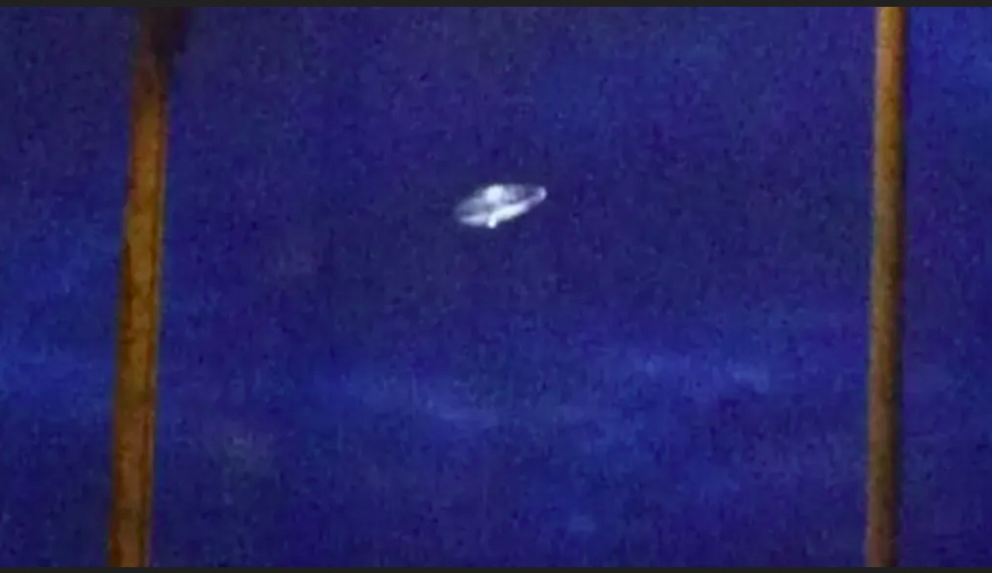 Jon says his team has been unable to definitively explain this photograph, taken on a main road in Grays, Essex, in 2011. SEPI Agency
Jon argues the issue is being taken far more seriously elsewhere, particularly in the US, where dedicated Pentagon units now analyse reported UAP encounters.
He believes the UK risks falling behind in understanding potential threats – or opportunities – linked to UAPs and is calling for closer collaboration with international partners.
"I want the government to take this subject seriously and put some money behind it," he says.
"People are now more empowered... people have a 4K camera in their pockets these days, so we are capturing a lot more evidence but there's nowhere to report them to.
"It doesn't mean our airspace is not experiencing the same things [as the US]; indeed, I'd argue we've had a lot more incidences here in the UK that need proper investigation."
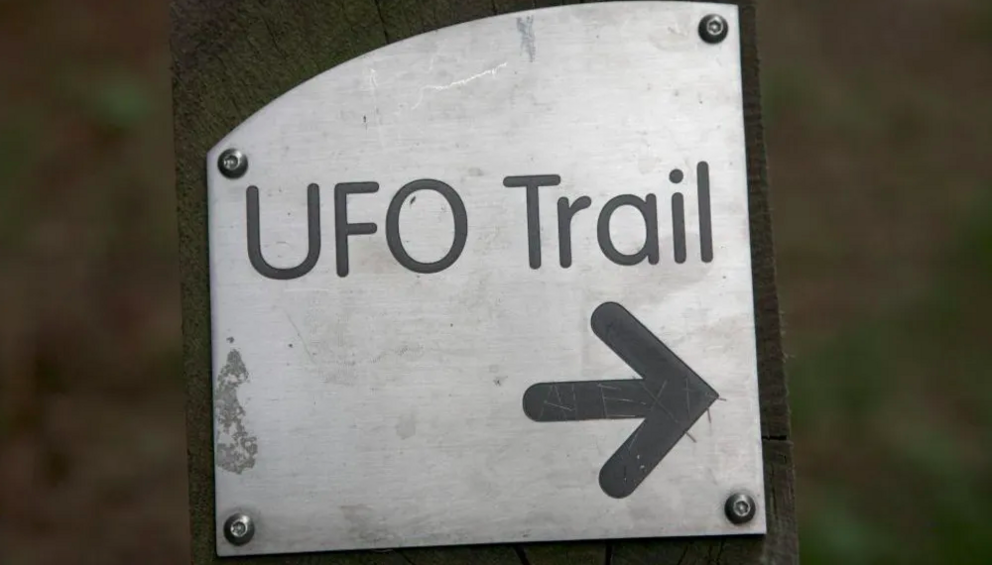 Visitors to Rendlesham Forest can see where a UFO is reported to have landed in December 1980. Getty Images
While misidentified aircraft, atmospheric phenomena or even advanced military technology account for many sightings, others remain stubbornly unexplained.
The Rendlesham Forest incident of December 1980 is often described as Britain's most well-documented UFO event.
Over a series of nights, US Air Force personnel at twin bases in Suffolk reported seeing strange lights in the forest, along with what some described as a landed craft of unknown origin.
The incident prompted official investigations and has since become a cornerstone of UFO research in the UK.
For the rest of this article please use source link below