
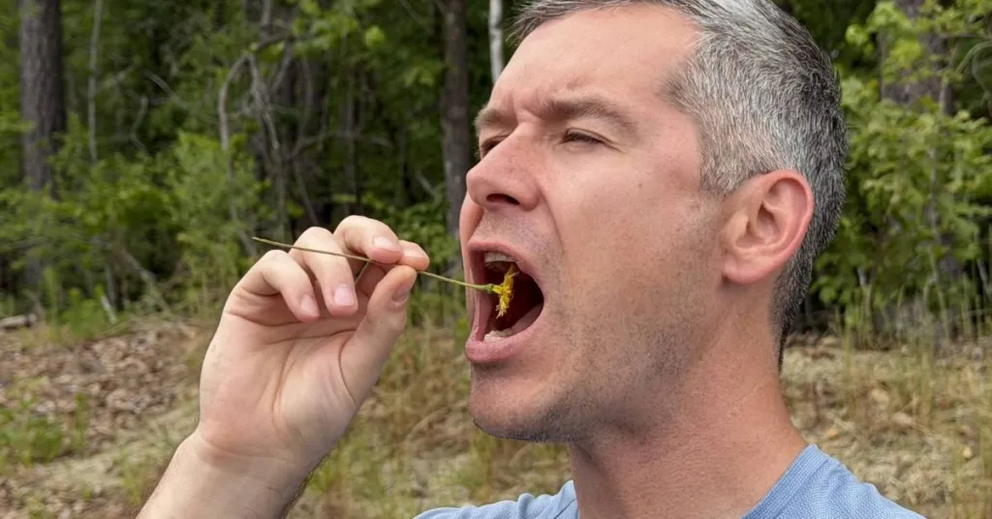
Universal edibility test. How to test if any plant is edible
There may come a point where you need to test the edibility of a plant for survival purposes. You do not want to just start eating anything green that you come across, but you may also not have time to learn all of the local flora. The universal edibility test is here to help and guide you through a process to determine which plants or even just parts of plants are safe to eat. While it may seem tedious and slow, doing each of these steps is important to stay safe while trying new plants.
The main idea of the test is to expose yourself to the plant in a controlled manner and to see if any symptoms develop between exposures. This wilderness survival skill can come in handy not just in the wild, but in backyards as well, given an emergency
WARNING: This information is not medical advice, and we are not medical professionals. Eating poisonous plants can be life-threatening. The Universal Edibility Test is only to be used in survival emergencies, as it uses general rules rather than precise knowledge. Always properly identify plants with an expert before consuming.
This is an updated guide on the Universal Edibility Test. It was first published several years ago, and we will continue to update this article as we learn and practice more foraging and as updates to the edibility process are discovered.
What is the Universal Edibility Test?
The universal edibility test is a series of steps used to determine if an unknown plant is toxic or edible in a life-or-death situation. It is not advised to use the test if you have other food resources or if it is not necessary.
The US Army created the Universal Edibility Test to help soldiers identify plants in the field in life-or-death situations. It is outlined in the ATP 3-50.21 Army Survival Field Manual, and it is also featured in the SAS Survival Handbook- one of the top survival guides we’ve reviewed.
Step-By-Step Guide
Follow this guide in sequence to test the edibility of unknown plants in a survival situation. The total process takes over 24 hours, so have patience and be sure that there is enough of the plant to eat to make the test worthwhile.
StepWait
1. Fast8 hours
2. SeparateNone
3. SmellNone
4. Rub8 hours
5. CookNone
6. Taste15 minutes
7. Chew15 minutes
8. Swallow8 hours
Step 1: Fast
Don’t eat at least 8 hours before beginning the test, or any reaction may be from what you previously ate, instead of the plant. During survival situations, you’re probably fasting already, which is why you are looking to eat unknown plants.
You also do not want to go through all of these steps if you can not apply them to an abundance of plants. The Universal Edibility Test is a thorough and lengthy process, and you do not want to waste time doing it if you do not have plenty of the plant you are testing.
Step 2: Separate
You can do this during the first step, but separate the parts of the plant that you intend to eat.
Pull the flowers, buds, leaves, stems, seeds, and roots apart and into separate piles. It is important to try each part of the plant separately since some components could be toxic, but others are edible.
Rhubarb is one example where the stalks are edible, but the leaves are toxic. Also, check the plant to make sure it is in good shape, not rotting, and doesn’t have any insects in this step.
Picking a part of the plant that is most plentiful will give you the best return on your time investment.
Step 3: Smell
If the plant has an unpleasant odor, do not eat that part of the plant. Strong or acidic smells should raise suspicion. Any scent that smells like almonds is best to avoid, since that is an indicator of a toxic compound.
Step 4: Rub
Touch a piece of the plant to your wrist for 15 minutes. If you experience itching, burning, or numbness, do not eat that part of the plant.
Wait eight hours before going to the next step to check for the development of rashes or any other reaction. Do not eat during this time.
Step 5: Cook
You can cook the pieces of the plant for this step, and prepare it as you would eat it. Cooking plants is preferred because some plants are toxic raw, but not when cooked.
Once prepared, touch the plant to your lips to test for itching, burning, or numbness. If you experience any of those in the next 3 minutes, do not eat that part of the plant.
Step 6: Taste
Pop a small portion of the plant in your mouth and place it on your tongue for 15 minutes. Don’t chew it or agitate it much- that is for the next step.
Step 7: Chew
Chew the plant and then hold it in your mouth for 15 minutes without swallowing. If it tastes soapy or bitter, spit it out and do not eat that part of the plant.
Step 8: Swallow
Swallow the plant. Wait eight hours for any adverse reactions, and if there are none, then prepare at least ¼ cup of that plant part and eat it.
If you do not react after another 8 hours, then that part of the plant is edible. You will want to repeat this entire process for all of the parts of the plant, since the entire plant could be edible, or just select parts.
For the rest of this article please go to source link below.