
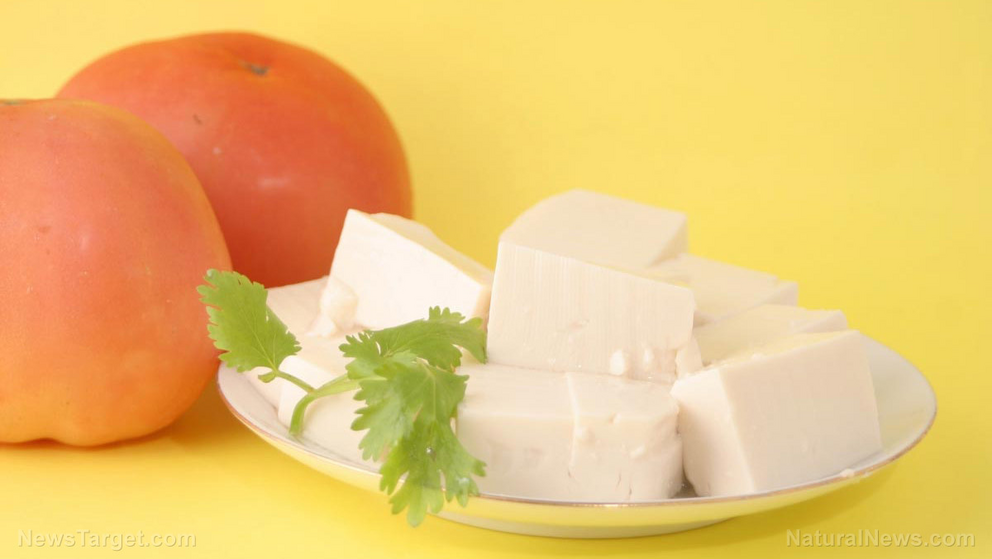
Mozzarella unwrapped: history, health benefits and culinary versatility of this iconic cheese
- Mozzarella, a cheese originally made from buffalo milk, originated in Italy’s Campania region. It gained global popularity through Italian cuisine, especially with the rise of pizza and lasagna.
- A complete protein, mozzarella also provides calcium, phosphorus and vitamins A and B12, and may contain probiotics – especially fresh, minimally processed varieties.
- Some individuals may be sensitive to its lactose or sodium content, and full-fat versions contain more saturated fat; part-skim options are healthier alternatives.
- Organic mozzarella does not contain synthetic hormones and pesticides and may have more omega-3s, making it a cleaner and more nutritious choice.
- Its mild flavor and meltability make it a staple in Italian, Mediterranean and other dishes.
Mozzarella cheese, with its soft, milky texture and delicate flavor, has transcended its Italian origins to become a global culinary staple. Beyond its reputation as the ultimate pizza topping, mozzarella boasts a surprisingly rich nutrient profile, providing essential protein, vitamins and minerals.
Brief history of mozzarella cheese
Mozzarella is a traditional Italian cheese that originated in the Campania region near Naples, where it was first made exclusively from buffalo milk. The name “mozzarella” comes from the Italian verb mozzare, meaning “to cut,” referring to the method of hand-stretching and shaping the curd in hot water.
Historically, mozzarella dates back to at least the 12th century, though its popularity surged in the 18th century when buffalo farming expanded in Southern Italy. Mozzarella di bufala (buffalo mozzarella) remains highly prized, but cow’s milk mozzarella, which is more economical and accessible, has become the dominant variety.
Mozzarella cheese was first introduced to the broader world as Italian immigrants spread their culinary traditions, and by the mid-20th century, mozzarella had become synonymous with Italian-American dishes like pizza and lasagna.
Nutritional benefits of mozzarella cheese
Mozzarella is more than just a tasty cheese – it is a nutrient-dense dairy product offering several health benefits:
High-quality protein
- A 1-ounce (28 grams, g) serving of mozzarella contains 6-7 g of protein, including all nine essential amino acids, making it a complete protein source.
Rich in calcium and phosphorus
- As a dairy product, mozzarella is an excellent source of calcium (around 20 percent of the Daily Value per ounce), an important nutrient for bone health, as well as phosphorus, which aids in bone mineralization and skeletal strength.
Probiotics and digestive health
- Depending on processing, mozzarella may contain beneficial bacteria (like Lactobacillus) that support gut health, though pasteurization can reduce probiotic activity. Fresh mozzarella (especially buffalo mozzarella) is more likely to retain live cultures.
Moderate fat content
- Unlike aged cheeses, fresh mozzarella is relatively low in fat (4.5 g per ounce in part-skim varieties), making it a smart choice for low-carb diets.
Essential vitamins
- Mozzarella supplies vitamin B12 (critical for nerve function) and vitamin A (important for vision and immunity). Part-skim mozzarella retains most protein while being lower in saturated fat.
Considerations
Mozzarella cheese provides several nutrients, but there are a few potential drawbacks to consider.
Firstly, lactose sensitivity may still be an issue for some individuals, even though mozzarella generally contains less lactose than milk. Fresh mozzarella, in particular, may cause discomfort for people with lactose intolerance.
Secondly, mozzarella’s sodium content may be a concern for some, as the cheese is often brined. It typically contains around 150 milligrams (mg) of sodium per ounce. While manageable for most, individuals with hypertension or other sodium-sensitive conditions should consume mozzarella in moderation.
Lastly, mozzarella’s saturated fat content, especially in full-fat varieties like buffalo mozzarella, could impact heart health if consumed excessively. Opting for part-skim mozzarella can help reduce this risk.
Conventional dairy may contain traces of pesticides (from feed) and antibiotics. Some studies have even detected organophosphates and heavy metals like cadmium or lead in dairy products, though levels in mozzarella are typically low. Opting for organic mozzarella offers several benefits: it is free of synthetic hormones (rBGH), reduces pesticide exposure and grass-fed varieties contain higher levels of omega-3 fatty acids.
Choosing organic or buffalo mozzarella ensures cleaner sourcing and a higher nutritional value.
Culinary uses of mozzarella cheese
Mozzarella’s mild taste and meltability make it a star in:
Italian classics
- Caprese salad (tomatoes, fresh mozzarella, basil)
- Margherita pizza (tomato sauce, mozzarella, basil)
- Lasagna and baked ziti
Snacks and appetizers
- Mozzarella sticks (breaded and fried)
- Panini sandwiches
- Stuffed mushrooms
Mediterranean and global dishes
- Greek salads with mozzarella
- Middle Eastern manakish (flatbread with cheese)
Mozzarella is a nutritional powerhouse – packing protein, calcium and probiotics with relatively low carbs. Organic and buffalo mozzarella are superior choices for purity and nutrient density. Whether melted on pizza, layered in salads or enjoyed fresh, mozzarella is a wholesome, versatile dairy delight that you can enjoy in moderation.
For optimal wellness, pair mozzarella with fiber-rich vegetables, whole grains and olive oil – embracing the Mediterranean diet’s balance for long-term health.
This story is not medical advice and is not intended to treat or cure any disease. Always consult with a qualified naturopathic physician for personalized advice about your specific health situation or concern.
For full references please use source link below.