
EPA, MAHA Commission urged to assess Christmas tree pesticides risks to children
The Center for Biological Diversity and Alliance of Nurses for Healthy Environments petitioned the Environmental Protection Agency and President’s Make America Healthy Again Commission today to address the health risks posed by the heavy use of toxic pesticides on Christmas trees.
Tree farms in Oregon, Michigan, Pennsylvania, California, Florida and Texas that produce nearly two-thirds of the Christmas trees harvested in the U.S. have reported spraying 270,000 pounds of pesticides each year.
Many of these pesticides include products known to be potent endocrine disruptors, carcinogens and neurotoxins that impede children’s brain development. The pesticides are chlorothalonil, simazine, glyphosate, hexazinone, carbaryl, chlorpyrifos and dimethoate.
“Christmas is a wonderful time of the year, and Americans should be able to bring a Christmas tree into their home that doesn’t carry dangerous chemicals that can harm their children’s development or poison their pets,” said J.W. Glass, EPA policy specialist at the Center for Biological Diversity. “For hundreds of years we’ve celebrated Christmas without pesticide-drenched trees, but in recent decades the EPA has ignored the risks to children posed by heavy pesticide use on Christmas tree farms. We need the EPA to protect our kids and ensure that all Americans are safe from pesticides this holiday season.”
The request for the EPA to conduct a thorough assessment of the risks posed by the harmful pesticides used on Christmas trees comes as the White House prepares for tonight’s annual lighting of the National Christmas Tree, a 35-foot-tall red spruce harvested from a national forest in Virginia.
Today’s petition requests a “special review” of those risks under the Federal Insecticide, Fungicide, and Rodenticide Act. While the EPA has assessed exposures from treated turf or household bug sprays, it has failed to adequately assess the risk to children from lingering pesticide residues on Christmas trees.
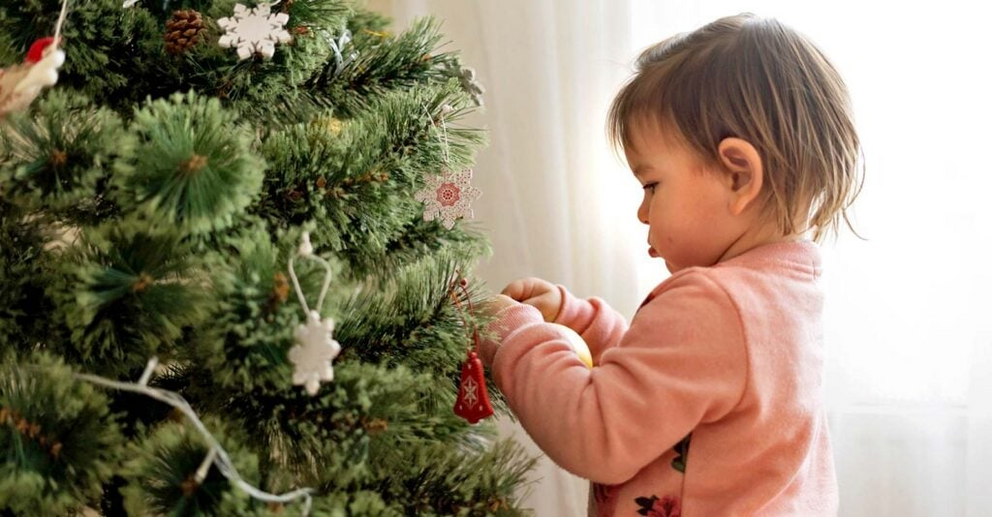
This is a consequential omission, as children are especially vulnerable to these pesticides because they are more likely to spend time beneath the tree, inhale contaminated dust, or consume fallen needles. Heat from string lights can also increase the risk of pesticides getting into the air that children breathe.
For the rest of this article please go to source link below.