
The forgotten pyramids of Sudan: The kingdom of Kush
Architectural Features of the Meroë Pyramids
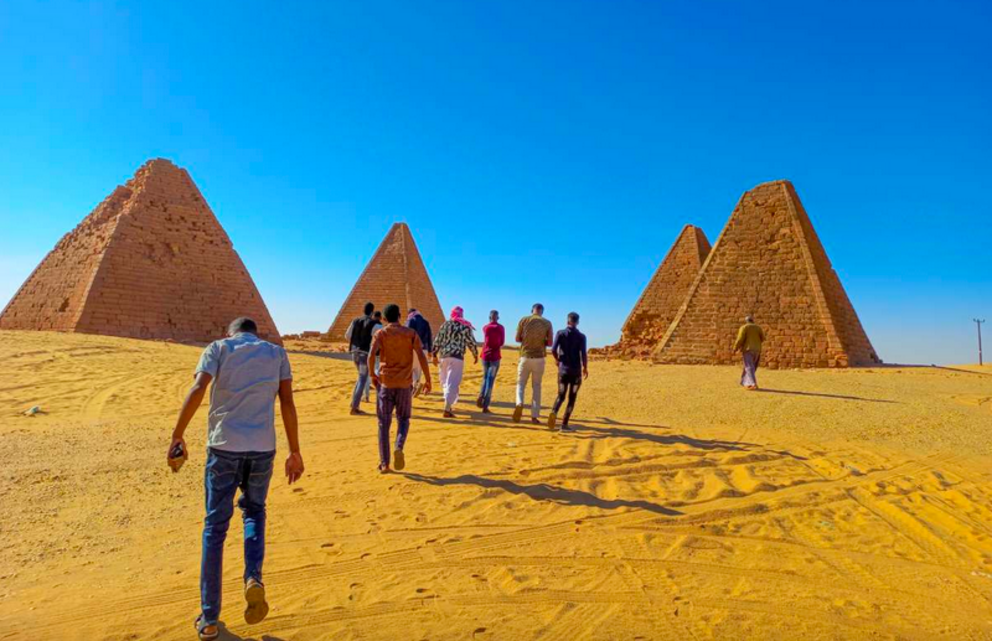
The pyramids of Sudan are taller and narrower than those of Egypt, with steep angles and decorated chapels at their bases. Many were built as tombs for kings, queens, and nobles of the Kushite kingdom. Their darkened appearance today comes from centuries of weathering, though originally they were brightly painted with symbols, murals, and inscriptions. Excavations reveal burial chambers with elaborate goods, pottery, jewelry, and ritual offerings.
Cultural Exchange Between Egypt and Kush
Kush absorbed many Egyptian traditions, from hieroglyphic writing to worship of gods like Amun and Isis. Kushite rulers even became pharaohs of Egypt during the 25th Dynasty, creating a period of shared culture and architecture. Despite this influence, Kush maintained its own customs, artistic styles, and religious practices, blending African and Egyptian traditions into a unique identity.
Society, Trade, and Spiritual Practices in Meroë
Meroë thrived as a commercial hub linking sub-Saharan Africa with the Mediterranean world. Iron production, gold mining, and trade caravans contributed to its prosperity. The religious life of Kush involved rituals honoring both local deities and Egyptian gods, with queens often playing major spiritual roles. The pyramids reflect a sophisticated civilization that valued ancestry, ritual, and royal legacy.