
Hidden Maya metropolis mapped in Mexico’s Balam kú Biosphere Reserve
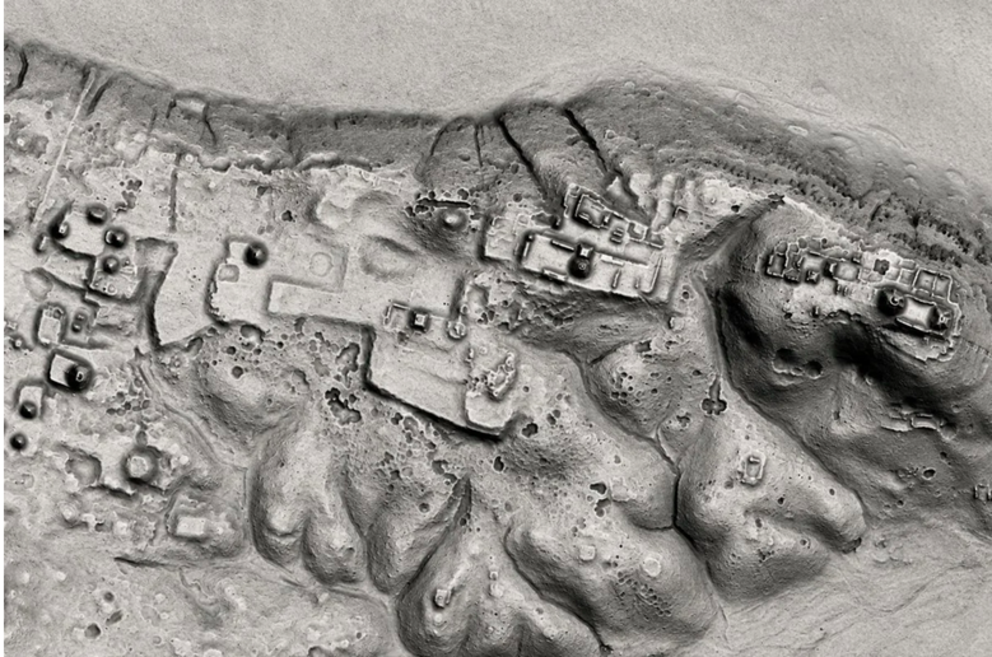
Archaeologists have completed the first comprehensive investigation of El Yesal, one of the largest known Maya cities in the Central Lowlands, revealing evidence that the ancient settlement was founded around 2,500 years ago and remained occupied until the Late Classic period.
Located deep within the Balam Kú Biosphere Reserve in Campeche, the sprawling site has long been recognised from airborne LiDAR surveys but has never undergone a detailed archaeological inspection. The latest fieldwork was led by Professor Ivan Šprajc of the Research Centre of the Slovenian Academy of Sciences and Arts under a project authorised by Mexico’s National Institute of Anthropology and History (INAH).
“Despite being a large site, with its monumental area covering more than one square kilometre, El Yesal had only been visited briefly by a few researchers,” Šprajc said. “Clearly, it is one of the largest Maya cities in the Central Lowlands.”
The survey followed an earlier phase of the project that resulted in the discovery of the nearby Maya site of Minanbé.
Archaeologists documented the city’s monumental architecture, including a vast acropolis occupying a square platform measuring approximately 150 metres on each side and rising 15 metres above the surrounding landscape. Four pyramidal structures stand atop the platform, with the tallest reaching 27 metres above its upper surface.
According to archaeologist Atasta Flores Esquivel, the Great Acropolis shares architectural similarities with other major Maya centres, including Edzná, particularly during its Petén-influenced phases dating to the Early Classic and earlier Preclassic periods.
Excavation test pits within the Great Acropolis and the opposing North Acropolis produced ceramic material belonging to the Mamom and Chicanel phases. Pending detailed analysis, the finds suggest El Yesal was established during the Middle to Late Preclassic period, between approximately 600 BC and AD 200.
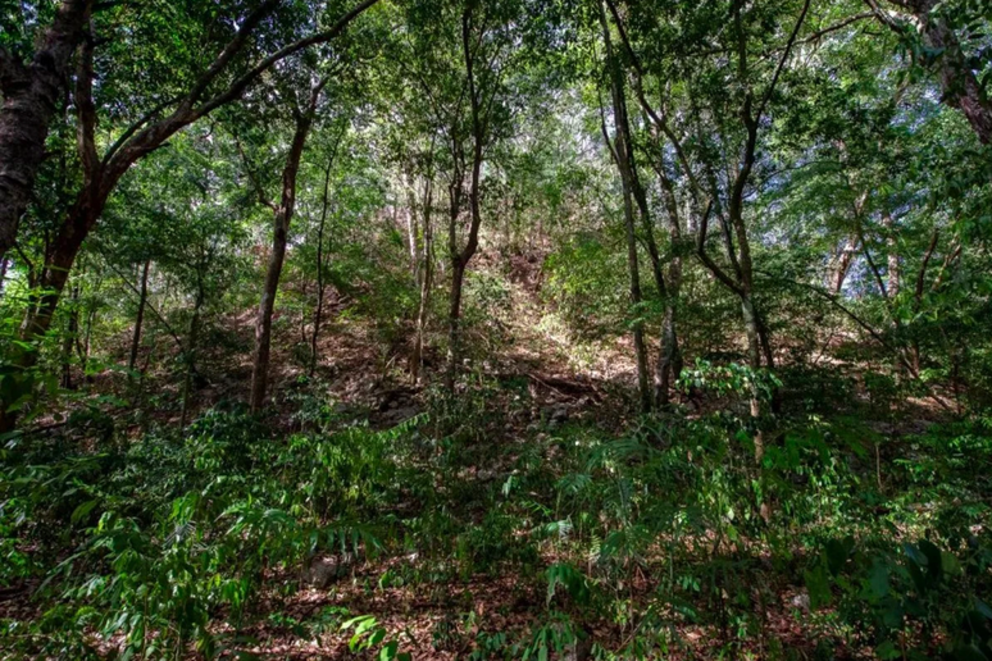 Image Credit : INAH
The team also identified substantial expansion during the Late Classic period (AD 600–900), when new plazas, monumental buildings and extensive artificial terraces were constructed across the northern sector of the city. Outlying hilltop complexes featuring embankments and terraces appear to have served defensive purposes.
Among the most significant discoveries was the documentation of a weathered stone stela using high-resolution photogrammetry. Although erosion has obscured much of its surface, three-dimensional modelling revealed surviving details of a ruler holding a ceremonial staff and wearing a headdress associated with Yopaat, the Maya storm deity. Epigraphers suggest the divine imagery may have formed part of the ruler’s name or royal identity.
Researchers also identified a series of unusual “nested complexes” beside the Great Acropolis. The low, elongated structures are arranged in concentric rectangular or circular layouts resembling the Chiik Nahb complex at Calakmul. Archaeologists believe these spaces may have functioned as marketplaces, providing new insights into the city’s economic organisation.
The survey was conducted in collaboration with local authorities and the Balam Kú Biosphere Reserve, which forms part of the Great Maya Forest Biocultural Corridor established in 2025 to connect protected landscapes across Mexico, Guatemala and Belize.
Šprajc said the investigation establishes the foundation for future research into El Yesal, which likely served as an important regional centre interacting with neighbouring Maya cities including Calakmul, Balamkú and Uitzilná. The findings also highlight the archaeological significance of the vast forest reserve, where many ancient settlements remain largely unexplored beneath dense tropical vegetation.
Sources : INAH